

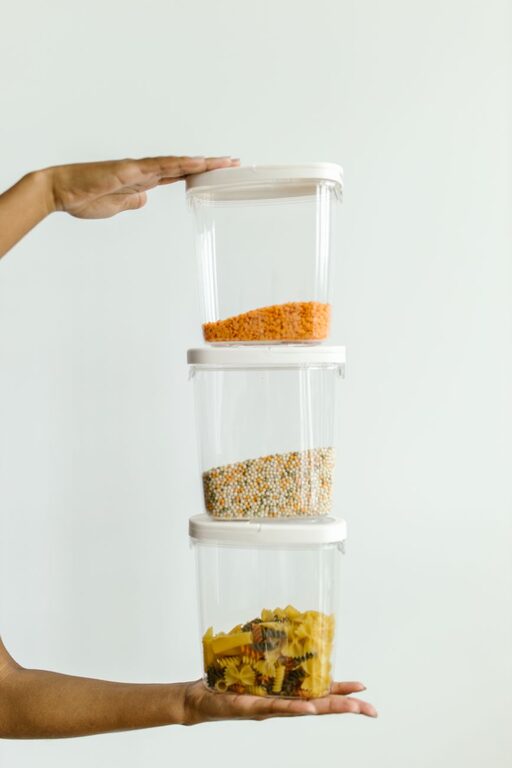
Planning meals from pantry staples is a smart way to simplify your cooking routine, save money, and reduce trips to the grocery store. Whether you have a fully stocked pantry or just a few basics on hand, you can create satisfying meals without relying on fresh ingredients every time. In this post, we’ll walk you through how to plan meals using pantry staples effectively, with tips on organizing your pantry, balancing meals, and some easy recipe ideas.
Why Plan Meals from Pantry Staples?
Pantry staples usually include dried goods, canned items, grains, and long-lasting ingredients that don’t require refrigeration. Planning meals around these items helps you:
– Save time by having ingredients ready at home.
– Reduce food waste by using what you already have.
– Stay on budget by minimizing last-minute store runs.
– Create quick meals especially on busy days or when fresh ingredients are low.
Step 1: Organize Your Pantry
Before planning meals, start with a quick pantry inventory. Here’s how to get started:
– Group similar items together: Canned beans, pasta, rice, spices, baking ingredients, and canned vegetables should be in separate sections.
– Check expiration dates: Use older items first to avoid waste.
– Make a list: Write down what you have so you can plan meals without guessing.
Organizing your pantry allows you to see all your options at a glance and helps you plan more effective meals.
Step 2: Identify Your Pantry Staples
Common pantry staples you might have include:
– Grains: rice, pasta, quinoa, couscous, oats
– Canned goods: beans, tomatoes, corn, tuna, coconut milk
– Baking essentials: flour, sugar, baking powder, yeast
– Oils and vinegars: olive oil, vegetable oil, balsamic vinegar
– Spices and herbs: salt, pepper, garlic powder, dried basil, chili flakes
– Shelf-stable proteins: peanut butter, canned tuna or salmon, lentils, nuts, seeds
Knowing what staples you have helps you create recipes around them.
Step 3: Plan Balanced Meals
Even with pantry staples, you want your meals to be balanced and nutritious. Here are some components to consider:
– Carbohydrates: rice, pasta, bread, or potatoes
– Proteins: beans, lentils, canned fish, peanut butter
– Vegetables: canned tomatoes, frozen vegetables, jarred sauces with veggies
– Flavor enhancers: herbs, spices, broth cubes, sauces
Try to include at least two or three of these elements in every meal to make it filling and flavorful.
Step 4: Keep Your Meal Plan Flexible
One of the best parts about pantry-based meals is flexibility. If you don’t have fresh ingredients, use canned or frozen alternatives. Here’s how to stay flexible:
– Substitute similar ingredients. For example, use canned beans instead of fresh chickpeas.
– Mix and match grains and proteins depending on what you have.
– Use spices and sauces to change the flavor profile of the same base ingredients.
Step 5: Simple Meal Ideas from Pantry Staples
Here are some easy recipes you can try using common pantry items:
1. One-Pot Pasta with Tomato and Beans
– Cook pasta in a pot.
– Add canned tomatoes, canned beans (like kidney or black beans), garlic powder, and dried herbs.
– Let it simmer until flavors combine.
– Drizzle with olive oil and season with salt and pepper.
2. Rice and Lentil Pilaf
– Cook rice and lentils together or separately.
– Season with cumin, turmeric, and a pinch of chili flakes.
– Stir in canned corn or peas if available.
– Serve with a splash of olive oil.
3. Chickpea Curry
– Sauté onions (or use powdered onion) if available.
– Add canned chickpeas, canned tomatoes, coconut milk, and curry powder.
– Simmer until thickened.
– Serve with rice or naan bread.
4. Peanut Butter Noodles
– Cook spaghetti or any pasta.
– Mix peanut butter with soy sauce, a little vinegar, and chili flakes to make a sauce.
– Toss noodles in sauce and garnish with crushed peanuts or sesame seeds.
5. Bean and Vegetable Soup
– Combine canned beans, canned vegetables, broth, and spices in a pot.
– Heat and simmer until flavors meld.
– Serve with crusty bread.
Step 6: Tips to Keep Pantry Meals Exciting
– Rotate your spices to change flavors.
– Add fresh or frozen herbs when possible.
– Try different grains like barley, bulgur, or farro.
– Use lemon juice or vinegar to brighten up dishes.
– Incorporate quick fresh ingredients like spinach or tomatoes when you can.
Conclusion
Planning meals from pantry staples is a practical way to stay prepared, eat well, and avoid stress in the kitchen. By organizing your pantry, knowing your staple ingredients, and keeping meals balanced and flexible, you can create a variety of delicious dishes with ease. Keep experimenting with combinations and flavors, and you’ll find pantry cooking can be both creative and convenient.
Happy cooking!