

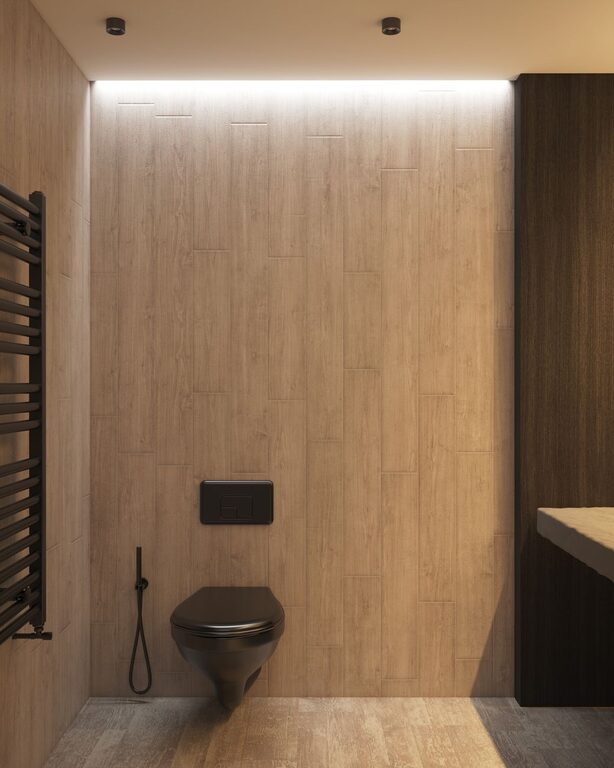
Creating a minimalist bathroom setup is a wonderful way to bring calmness and order into one of the most frequently used spaces in your home. Minimalism focuses on simplicity, functionality, and clean lines, which helps create a peaceful environment where you can relax and refresh. Whether you have a small bathroom or a larger space, adopting a minimalist design can make it feel more open and inviting.
In this guide, we’ll walk through practical steps on how to create a minimalist bathroom setup, including choosing the right fixtures, selecting a neutral color palette, organizing essentials, and adding subtle decor without clutter.
Why Choose a Minimalist Bathroom?
A minimalist bathroom design offers several benefits:
– Creates a sense of calm: Fewer items and clean surfaces help reduce visual noise.
– Maximizes space: Minimalist designs often use clever storage to make small bathrooms feel larger.
– Simplifies cleaning: With fewer objects and simple designs, maintenance becomes easier.
– Timeless style: Minimalism focuses on neutral tones and basic shapes that do not go out of style quickly.
Step 1: Choose a Neutral Color Palette
Start your minimalist bathroom design by selecting colors that evoke serenity and brightness. Neutral shades such as whites, light grays, soft beiges, or pale pastels work well.
– White walls and tiles reflect light and create an airy feel.
– Use matte finishes to avoid glare and add a soft texture.
– If you want a bit of contrast, incorporate darker tones in fixtures or accents, but keep it subtle.
Avoid bold or busy patterns that disrupt the minimalist vibe.
Step 2: Select Simple, Functional Fixtures
Minimalism values function and clean lines over ornate designs. When choosing fixtures like sinks, faucets, and lighting:
– Opt for wall-mounted or pedestal sinks with smooth surfaces.
– Pick faucets with sleek, straightforward shapes in finishes like brushed nickel or matte black.
– Use built-in lighting or recessed lights instead of elaborate chandeliers.
– Consider floating vanities that provide storage but keep the floor visually open.
These choices keep your bathroom feeling uncluttered and modern.
Step 3: Declutter and Organize Essentials
A minimalist bathroom only holds what is necessary. Reduce the number of items on display by:
– Storing toiletries in drawers or cabinets rather than on countertops.
– Using matching containers or simple jars for cotton balls, q-tips, and soap.
– Keeping only daily-use products visible, while less-used items go out of sight.
– Adding hooks or towel bars that blend with the wall color to keep towels organized.
Step 4: Incorporate Smart Storage Solutions
Good storage is key in minimalist design to maintain a clean look without losing functionality.
– Use recessed shelves in the shower area to hold shampoo and soap.
– Choose medicine cabinets with mirrored fronts for both storage and practicality.
– Consider built-in niches or hidden compartments to reduce bulky baskets or shelves.
– Declutter regularly to prevent accumulation of unused products.
Step 5: Add Minimalist Decor and Greenery
While minimalism is about simplicity, small touches add warmth and personality.
– Add a small potted plant like a succulent or air plant to bring life without clutter.
– Use a single piece of artwork or a simple wall decal in neutral tones.
– Choose bathroom textiles, such as towels and mats, in solid colors or subtle textures.
– Limit decorative items to one or two; avoid collections or busy patterns.
Step 6: Use Quality Materials and Natural Elements
Minimalist bathrooms often feel more inviting when natural or high-quality materials are incorporated.
– Choose natural wood accents, like a wooden bath mat or shelves.
– Incorporate stone or quartz countertops that offer durability and clean aesthetics.
– Use linen or cotton fabrics for towels and curtains for a tactile softness.
These elements help balance minimalism with warmth.
Maintenance Tips for a Minimalist Bathroom
To keep your bathroom looking fresh and simple:
– Clean surfaces regularly to avoid buildup of grime.
– Put items back in their designated storage spots after use.
– Replace worn towels or bath mats as needed.
– Assess your bathroom setup every few months to remove unused products or decor.
Final Thoughts
Creating a minimalist bathroom setup is about more than just style — it’s about cultivating a space that supports your daily routine with ease and peace. By choosing neutral colors, functional fixtures, effective storage, and keeping decor to a minimum, you can design a bathroom that feels open, clean, and inviting.
Start small by decluttering and then gradually incorporate these tips to transform your bathroom into a minimalist oasis you’ll enjoy every day.