

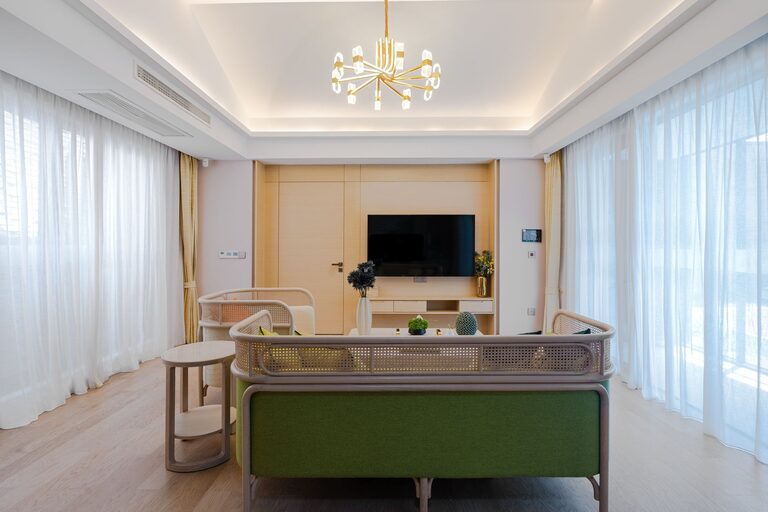
A dark room can feel cramped, dull, and uninviting. Whether it’s a living room, bedroom, or office, insufficient light can affect how you feel and how you use the space. Fortunately, there are many quick and easy ways to brighten a dark room without major renovations or costly upgrades.
In this post, we’ll explore practical ideas to increase light, add reflective surfaces, and use colors and accessories to transform your room into a brighter, more cheerful place.
Assessing the Room’s Lighting Situation
Before making changes, take a moment to evaluate why the room feels dark:
– Does it have few or small windows?
– Are the walls painted in deep or dull colors?
– Is the lighting outdated or insufficient?
– Are there heavy curtains or furniture blocking natural light?
Understanding the problem helps choose the best solutions.
Maximize Natural Light
Natural light is the best way to brighten any room because it gives a fresh, warm feel.
Keep Windows Clear
– Remove heavy drapes or dark curtains. Instead, opt for sheer, light fabric that lets sunlight pass through.
– Clean your windows inside and out; dirty panes reduce light penetration.
– Trim any outdoor plants or trees blocking the windows.
Use Reflective Window Treatments
– Consider blinds or shades in light colors.
– Add a light-colored curtain rod to enhance the look without darkening the room.
Choose Light and Bright Colors
Colors play a huge role in how much light a room seems to have.
Paint Walls with Light Tones
– White, cream, soft pastels, and light grays reflect more light.
– Avoid dark colors on walls, ceilings, and large furniture pieces as they absorb light and make spaces feel smaller.
Light-Colored Flooring and Rugs
– If changing floors isn’t an option, add light rugs to brighten the area.
– Use rugs with subtle patterns or whites to keep the room airy.
Improve Artificial Lighting
Good artificial light can compensate for a lack of daylight and create a cozy ambiance.
Layer Your Lighting
Use a combination of lighting types:
– Ambient lighting: Overhead fixtures like ceiling lights or chandeliers provide general illumination.
– Task lighting: Lamps for reading or working brighten specific areas.
– Accent lighting: Wall sconces, LED strips, or spotlights highlight artwork or architectural features.
Choose Bright Bulbs
– Use bulbs with a high lumen output and a color temperature around 3000K-4000K for warm, inviting light.
– Consider LED bulbs—they are energy-efficient and come in various brightness levels.
Reflect Light with Fixtures
– Opt for fixtures with glass or reflective surfaces to spread light better.
– Position lamps near reflective surfaces like mirrors or light-colored walls.
Use Mirrors and Reflective Surfaces
Mirrors can double the amount of light by reflecting it around the room.
Strategic Mirror Placement
– Place a large mirror opposite or near a window to bounce sunlight.
– Use multiple smaller mirrors in a gallery wall style to add visual interest and light.
Incorporate Reflective Decor
– Choose furniture with glass, metallic, or lacquered finishes.
– Use decorative items like vases or picture frames with shiny surfaces.
Declutter and Rearrange Furniture
Sometimes darkness comes from blocked light paths or overcrowding.
– Move bulky furniture away from windows to let more light into the room.
– Keep the center of the room open to allow light to flow easily.
– Remove unnecessary items to create a sense of openness and brightness.
Add Light-Colored Textiles and Accessories
Soft furnishings contribute to the room’s light level and mood.
– Choose pillows, throws, and curtains in bright, light colors.
– Use fabrics with subtle sheen such as silk or satin to reflect light.
– Avoid heavy, dark upholstery in small, dark rooms.
Introduce Greenery
Plants add life and vibrancy, which help brighten a space.
– Select plants with bright green leaves and place them near light sources.
– Use white or light-colored pots to maintain brightness.
– Avoid overcrowding; a few well-placed plants are more effective than many small ones.
Consider Light-Enhancing Wall Art
Art can brighten walls and add personality.
– Choose pieces with bright colors or metallic finishes.
– Avoid dark or heavy images that may make the room feel closed in.
Final Tips for Maintaining Brightness
– Regularly clean surfaces to keep them free of dust, which dulls light reflection.
– Update bulbs periodically to maintain consistent brightness.
– Review your décor seasonally to adapt to changing natural light.
Conclusion
Brightening a dark room doesn’t require a full remodel. With simple changes like maximizing natural light, choosing light colors, adding mirrors, and improving artificial lighting, you can create a warm, inviting space quickly and affordably. Experiment with these ideas to see which combinations work best in your home and enjoy the positive difference a bright room brings to your daily life.